Showing posts with label LHypothesise. Show all posts

Friday, 17 February 2023

Inquiring a New Year = New opportunities

What a time we live in!

We have had so much anxiety, we have fought to survive as teacher, learners and humans. 

We had faced Covid 19 and as we hoped for a more normal year where children did not have to face the same anxiety and challenges. 

With the recent floods many people are unsettled but learners and teachers alike are eager, excited and ready for 2023. 

As teachers we are always learning. We are know a lot and try new things but with out efficiency and routine we end up frustrated and feel unheard. But.... there is a balance when routine is all you do life and learning get very boring. 

As we inquiry we need to think about how we become adaptive experts. How do we build on what we learned last year, change, adapt, develop and make learning something everyone in the room enjoys and wants to do. 

This week I have been thinking about this idea a lot. I have been trying new things trying to be more of a record keeper. 

One thing I have attempted this week is using a digital modelling book as a guide for both my lesson and for children to reflect back on. 


What I loved about this was not the writing a modelling book but the way in which the children reflected on what they know about with reading and writing. 

Being an adaptive expert means being aware of the environment and situation around us and know what we can do to optimise these. I like everyone you can just be an expert you have to keep developing, keep calm and TRY!

How can we be the people who are, calm, encourage, supportive and help children feel safe in this world that is forever changing and at sometimes fraught with danger. Is it about helping children feel informed and aware, be partners in learning and know that they can always seek help and that we are all humans and make mistakes.  


Planning for effective inquiry

What is real for the kids we are teaching right now? 
What is manageable? 
How will my question develop to meet the needs of my class. 


Wednesday, 30 March 2022

Term One Data: A first look

As Term 1 approached I was filled with excitement for what my inquiry might be and the benefits it might bring to my teaching and the learning of my students. 

I had seen the positive impact that movement and song had had on learning in the past and during lockdown I again saw the excitement and eagerness of the children to engage in Jump Jam and other physical activities even from home. I began to wonder if this could help to combat the challenge we were having in Mathematics were children were struggling to retain the key facts and ideas needed to solve more challenging problems. 

As you can see I got excited and may gave jump the gun a little bit. 

Coming into term one things were not normal (if normal is even a thing anymore). The omicron wave swept through our community bring down class numbers and meaning constant change. Luckily my team planned together reducing stress but as limiting the amount of data collection I could do for my Inquiry. 

In mid February I collected some data with the learners in front of me. I looked at their Mathswhizz Levels from their placement tests. 


I also asked the 9 learners present at that time to complete a survey about their feels towards maths and how they view their ability. 

Majority of the learners stated that they always or often enjoy solving maths problems. Only one of the 9 children said never and one said sometimes. 


We asked about their use of counting and ability to remember facts. Most said that they count to solve problems with only one learner saying they never did. They had a more positive view on their ability to remember facts with 3 stating always, 2 sometimes, 2 occasionally and 1 never. 

What this shows is from this small sample they are aware that while they enjoy maths there are areas that they struggle with. 

I hope to redo this survey and a parent version in early term 2 when more learners are at school.  


Friday, 21 May 2021

Student Voice

As part of my data collection, I sat down with 8 students from my target group to gain a better picture of their feelings about reading and what they saw as their strengths and needs. 

Below you will find their responses to a range of questions about reading. 


What was interesting about this data was: 
  • 7/8 students mentioned that they found words challenging with most making references to not knowing what they meant. 
  • All students shared positive view and attitudes towards reading. 
  • Most of the children talked about positive home reading experiences happening weekly with 2 making connections to special texts relating to their families. 
  • One student asked that I read to them more often, another stated she wanted me to explaining the words and text ideas in detail to them. Others mentioned helping them with word knowledge and breaking up words to understand them. 
What trends to I notice:
  1. Children have a positive attitude towards reading. 
  2. Children are aware that they have a challenge around vocabulary. 
What questions does this raise fro my inquiry: 
  • How can I use the childrens' positive attitudes to build vocabulary? 

Monday, 12 April 2021

Catalytic Issue

 Explain why you judge this to be the most important and catalytic issue of learning for this group of learners this year (In chemistry, a catalytic substance is one which increases the speed of a chemical reaction. Catalysts offer an alternate pathway for a reaction to follow, with a 'lower activation energy.')  

To explain why is this a Catalytic issue for my learners I started by look at data on each of the learners in my target group range from level 15-20 a reading age of 6.5-8 years. By the end of the year children should ideally have a great age of 9 years of age. 

My target group is made up of 15 children, 7 reading at 6.5 years. 6 reading at 7 years and 2 reading at 8 years. The group has 9 girls and 6 boys. 


It is interesting to see that for many of these children shifted has been limited in their reading shift across their 3 years at school. 

Why I see this as a catalytic issue is the fact that student shift is so limited. This shows that what we have been doing as not has the deserved impact on student learning and something needs to be done differently. 

From conversations with learners about text their expression of opinions is limited. It often come in the form of a retell or something they directly noticed in the text. For example when asked what do you think about this story one learners said "It was about a bear." 

As such I believe that developing more curiosity about texts and becoming critical of what they read will making reading more meaning full and engage learners in more thinking therefore impacting their achievement in reading more generally.  


Monday, 3 August 2020

Looking closely at reading behaviours

Over the last two weeks we have been looking closer at learners in our class who struggled with decoding. 

I took a number of opportunities to listen to children individually in order to see what they do without their peers to listen to and copy. 

I looked at my inquiry target group. 

This is what I learned: 


Friday, 26 June 2020

Student Voice- What we say about reading and the teaching of reading.


Present findings from this inquiry about your teaching. Ensure qualitative data includes rich descriptions of your teaching and quantitative data is clearly presented. (WFQ 9)

I conducted a survey for two reasons. One I wanted to gain some student voice on how they felt about reading and their own strengths and areas of need. I also wanted to see what they had to say about my teaching strengths and needs.

It was interesting to see what they had to say. Here is a link to the survey. 
Questions
1.I like reading..
Scale of 1-5 Not at all - it is my favourite
2.What I find hard in reading is...
3.How many books do you read in a day?
4. How often do your teachers listen to you read?
5. I get to talk about my book
Scale of 1-5 Never-Always
6. My teacher helps me practice new words
7. I can ask questions about my book....

Here is what each of the 8 student here on the day of the survey said. 4 children were alway and I will add their data on as soon as possible and 1 child has left the school and therefore is no longer in my target group. 


Summary of results:


Question One: This question asked about attitude toward reading. Mostly they had very positive attitudes toward reading with many saying it was their favourite thing to do. This did not surprise me as even though they struggled they always try so hard and get read every opportunity they have.
One children put 1, I ask why he said "It is hard."

Question Two: All children stated they found new words hard. Many said accurate reading without stopping. Interestingly using the pictures was challenging for some as was talking about the book. Most felt they understood the stories well.  


Children said they read 1-3 books a day. I feel this could be increased more to get more mileage. Perhaps a question about where they read might help paint a picture of how to increase this. Children all said they read to their teacher 3-5 or more times a week. This means I am getting the group coverage that I need.

Most children felt they got to talk about the book a lot however I cam concerned that there is not equity in this. One child feels like she never gets a turn to talk and this worries me. Asking questions is something they feel they get to do less, however this is much more regular than I expected based on my observation and teacher notes. 

This graph is the most interesting to me as it shows wide inconsistency between kids. It does not suggest if this word work is new sight words or topic specific words. Perhaps adding a question about practicing small words I know would help to understand this better. 

From this I am sure I need to work on this area in my teaching more. 

Thursday, 11 June 2020

Self study- Reading site review

Ready to read | Learning from home
Present findings from this inquiry about your teaching. Ensure qualitative data includes rich descriptions of your teaching and quantitative data is clearly presented. (WFQ 9)

In this reflection on my teaching I looked at 2 books for each of my three reading groups that make up my target learners for this inquiry. The group in made up of children reading below Green (Level 12, reading age 6 years). I looked at the word count for each book. Main sight words, main topic specific words and made a judgment on overall change. As they are all levelled texts challenge is some what obvious but this gave me a better picture of my text selection early in the year. 

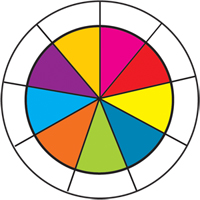
The reading colour wheel | Parents.education.govt.nz
Rowing (Red, reading age 5.3 years)
Books 1, I like worms (Sunshine classics)
Word count: 86
Sight words: I, like, for, and, in, my, a 
Sample of topic specific words: worms, lunch, tea, skinny, soup, pizza. 

Book 2: Kitty Cat (PM)
Word count: 57
Sight word: here, is, a, look, at, comes, the. 
Sample of topic specific words Kitty cat, hungry, butterfly, Lizard, Fat?, 
Word family at, cat, fat

Teacher notes stated "Students were excited to read." "They need a lot of prompting to fix errors." "They were not looking at beginning words of sight words and were guessing, until prompted." "They struggled with I like worms due to the increased difficulty of the vocab."

Rugby (Yellow, reading age 5.6 years)
Book 1 Mothers day (PM)
Word count: 118
Sight words: Look, at, my, said, will, where, are, the, they, here, like, in, is, I, am, and, up, a, for, he, day, dad, mum, 
Sample of topic specific words: Mother, card, Emma, pens, forgot, breakfast, tray. 

Book 2 The little car (PM)
Word count: 123
Key sight words: Back, come, his it, will
Other sight words: said, look, my, and, the, can, go, here, is, little, where, for, big, not, see, in, went, away. 
Sample of topic specific words: Rachel, Sam, car, green, leaves, garage. 

Teacher notes stated "Group have come back with more confidence and are attempting more words." "Need prompting to go back and fix mistakes." "One child really struggling with topic specific words, said bucket for bowl, need word on noticing middle letters." "Did not know the word was in Mother's day." "Need to word on word family ay, ake."


Surfing (Blue, reading age 5.9)

Book 1: Open your mouth (Sunshine)
word count 185
Sight word:your, the, big, said, to, little, I'm, going, you, a, an, little, and, some, is, it, or, no, come. 
Sample of topic specific words: cat, kitten, hen chick, puppy, dog, surprise, eyes, mouth, open, close, give. 

Book 2: The missing socks (Ready to reads)
Words count: 205
Sight word: was, for, his, and, but, were, the, on, dad, I can't, my, are, they, no, said, she, in, the, ask, have, you, look, looked, mum, saw, taken, ran, out, through, across, into. 
Sample of topic specific words: socks, Jack, Noodle, pounced, rugby, boots, bedroom, pulled, lounge. 

Teacher notes stated,  " they are struggling when they make errors to notice that it does not make sense." "Keep working on sight words and noticing as this is a real need."

Overall from this analysis what I have noticed are three main this:
1: There is a real difference between PM, Sunshine and Ready to reads at the same level, PMs have high sight words with limited topic specific, Sunshine have more equal sight word to topic specific and ready to read step up in complexity significantly. 

2: I am not very good at reflecting on specific word errors, sound errors and comp issues. My reflections are very general and lack the detail needed to really dive into changes and issues.

3: Sight words, sight words, sight words, this is a big issue for all group but I don't spend enough time on it. I also need to be more careful in my text selection to make sure this are covered. 

I also have a question for my self about text length. if 205 words is all they are exposed to is that enough? If I am not exposed to a year 3 text can I become a year 3 reader? or year 4 text and year 4 reader? What is the right level of challenge, independent and shared text for these kids and how often should they read them? 


Wednesday, 13 May 2020

How will I identify my current teaching practice.

Plan and conduct detailed inquiry into specific aspects of your current teaching that are relevant to the hypotheses you identified in the literature. Inquiring into your teaching should give you:
-Formative information about your current strengths and areas for development
-Baseline information that you can use at the end of the year  to provide evidence of shifts in teaching
-Use multiple tools such as self- or peer-observations, analysis of your class site, student voice. (WFQ, 8) 

In order to understand my current practice is relation to my hypotheses that a more rounded reading program with more discussion, student questioning and specific vocabulary teaching with increase reading ability I will use three measure to look at my practice in more depth. These are observation, reading site review and a student survey. 

Observation:
In order to gain a detailed picture of my teaching practice my plan was to observe myself using video already recorded through Class Onair and have another teacher observe me teaching and provide some feedback. Both observation would look at, How often do I provide specific vocabulary instruction? What does this vocabulary instruction look like? Does it relate to a sight word or topic specific word? How often do the children talk about the book? Is this retell, connecting to their experience or asking a question?

Reading site review:
Look at a notes number of books provided, level, topic and main sight words in the book for a two week period. What does this tell me about book selection. Am I provide enough challenge. Does this reflect patterns of student word knowledge as reflected in teacher notes? 

Student survey: 
Conduct a student survey to ask about general reading behaviours and thoughts. Always asking specific questions about teacher practice. These questions will aim to gain and understanding of teacher reading practices including, frequency of reading, word work frequency, discussion frequency and opportunities to ask questions. 
Note it would have been ideal to have done this earlier but due to Covid 19 and my other CoL across school commitments this is sadly the first formal student voice I have collected. I will re conduct this survey in weeks 5 & 10 of term 3 and weeks 1 & 5 of term 4 to give a picture of change or not change depending on the results. I may also change questions as changes are made the the intervention. 

I believe this data will provide a great reflection point on the changes I have already made in my practice and future plans that I have. 

Friday, 13 March 2020

Looking Back and Taking Stock

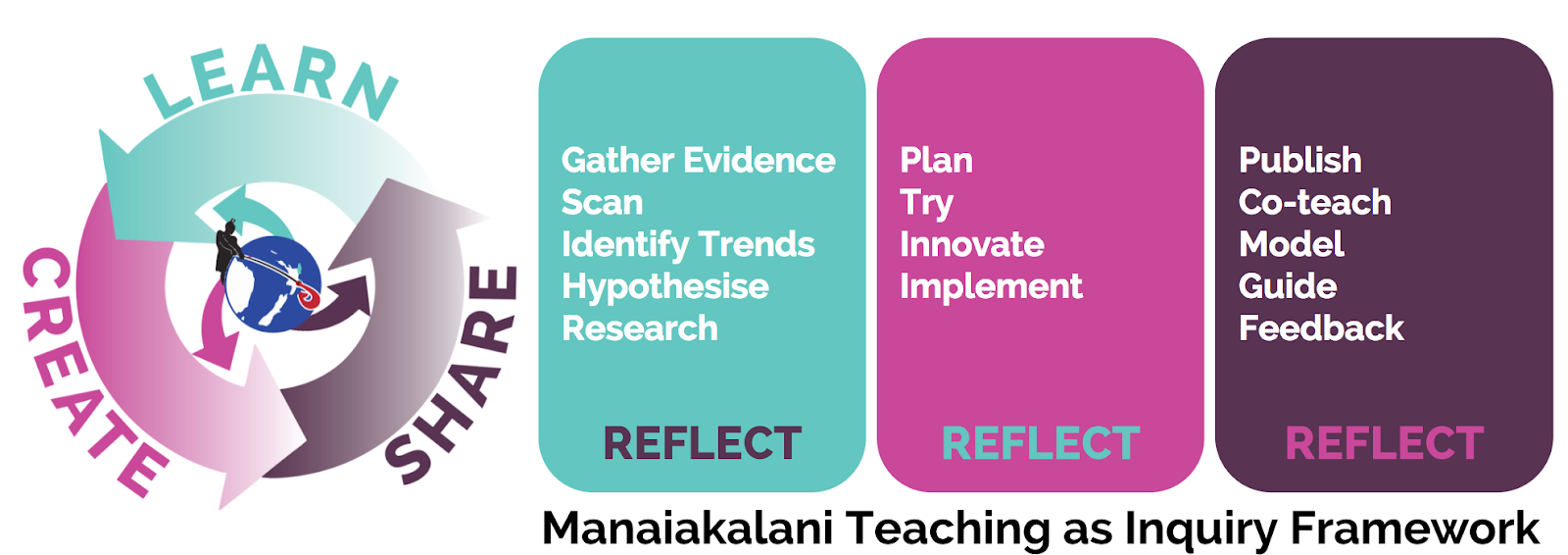
#1... Use the ‘inquiry stocktake’ doc to reflect on and write about what you aim to learn about inquiry this year.

As we start to think more about 2020 and our teacher inquiry it is important to look back and ask, how well did I inquire last year. In this process I began to think about the planning for inquiry and the process of recording the changes I made. I also though about all the good intentions I had that didn't become reality.

Having been sick for the CoL meeting I spent a great deal of time looking at the Stocktake doc and thinking about what applied to me and how this could help me move forward in 2020.

Image result for teaching as inquiry

What worked well in 2019
In 2019 I developed a lot of ideas and tried a lot of things which gave lots of diversity in practice and learning opportunities. I had great success in reading and found that learner could rise to the high expectations and absorb a lot of new vocabulary in this area.

My Challenges in 2019
My biggest challenge was consistency in my approach and giving things time to work. I think this was due to a lack of forward planning at the beginning of my inquiry. While I did a lot of research I didn't have a clear vision for my class and when I believed something was not working I changed it possibly without enough hard evidence.

I also found the challenge of time. In my CoL across school role I am out of the classroom 2 day a week and this can also lead to a lack of consistency in my room.

The Support I need in 2020
I am going to reach out to other teachers and members of the Woolf Fisher research team and the Manaiakalani team to help me connect with effective practice in reading specifically around dialogic discussion and vocabulary. I want to have a clear idea of where I am heading before I leap in. I also want to have a strong foundation in research and more check point which I will need help developing and implementing as this will give me a richer picture of student achievement.


Thursday, 14 November 2019

Summarise evidence of key shifts

2. Summarise evidence about key shifts in the problem of student learning.

The shift I have seen in Student learning are improved length of writing. This can been seen here in this blog post with evidence from one of my inquiry focus group. However I expected this to translate into improve E-Asstle writing score which it did not. I believe this is due to quantity not equalling quality of writing. E-Asttle score levels show overall only Two learners have moved beyond 1B while the rest remain as 1B writers with little to no change in scale score they.


I believe this lack of change is not due to a lack of changed practice but due to a lack on time spent on this changed practice. Perhaps it is many changes that were not implemented over a long enough period of time that lead to this lack of change in writing. 

At the beginning of this inquiry I hypothesise that a connections between reading and writing programs would help by 1B writers move beyond 1B while using practice I know work to improve reading. 

What I have found is that I can maintain the improvements learners make in reading however I am not yet able to make these same improvements in writing. 


My reading data when compared the reading level data on the same children from 2017-2018 that 9 out of the 11 learners have made more then one years shift compared the the slow shift of 6-9months they made in the 2018 school year. It also shows that 2 of the learners have made 2 or more years shift. Out of the group two learners did not make significant shift. These learners were both boys. One had large length of time away from school. The other has some interesting reading behaviour including very slow disconnected reading which I would like to explore more.
It is interesting looking at the shift termly and seeing that for most learners the shift happened pretty consistently throughout the year. 

These graphs show the same data but this time by reading age. Two learners in this focus group have moved to expected age for year 3, additional 6 have moved from over 2 years behind to just 1 year behind expected age. One learners made very little shift in age but made many levels and this is significant for him as he faces a number of other challenges in his learning. 
While I am disappointed in the key shifts this year in writing the reading data gives me great hope. I do feel I need to think more about the characteristic of reading shown by the two learners who made limited shift and what I can do to address this. Much more thinking is needed to my part around writing reading connections and who I can pull my strengths in reading teaching to support my teaching in writing. 


Wednesday, 29 May 2019

Most Important hypothesis and evidence I will collect.

8. and 9. Explain the hypotheses about teaching that you decided were MOST worth testing, and why and explain how you will test it and what evidence would support (or refute) that hypothesis.
Related image
Scaffolding and Gifting
I choose this hypotheses because I felt it has the most value in terms of developing students writing and reading ability. We often talk about the power of teacher supports for students learning and I believe a close look at and changes to the way I scaffold could have a big impact on students learning. I know this because of the conversation we have had with Rebecca Jesson and Dr Jannie van Hees. By looking closely at my scaffolding I will become more critical of what I am scaffolding, why I am scaffolding and how children feel about these scaffolds.

How will I test this:
First I want to make a list of all the types of scaffolds I use, what they aim to scaffold and identify exactly what I am doing. I will also get some to come in and develop and observation tool for looking at how children are engaging with the scaffolds. I will also use a survey to ask children how they feel.

Connections between reading and writing and sight words. 
I have wanted to make connections between my reading and writing program particularly in terms of developing vocabulary. I believe this will be a good hypotheses to test because I have noticed that students engagement and excitement reading in much higher than in writing time.

How will I test this:
I will use my reflections in reading and writing to see if the ideas and links are being made. I will also video both reading and writing lesson, looking at engagement and vocabulary connections. I will also look at samples of writing and look at what sight words they are using that they learnt in reading time. I will do a sight word test on target group, reading and writing sight words.


Friday, 24 May 2019

What can I change my practice?

6. Develop a set of hypotheses about patterns in your teaching that could be changed to more effectively address the student learning focus.

Reflecting back on my teaching practice I have asked myself many questions. In this post I have been quite critical of myself. I believe that this will help me develop.

Hypothese:

Scaffolding: 
Am I under scaffolding, how much scaffolding is right? I have read a lot and had a lot of professional conversations about scaffolding. I have also been thinking a lot about this and I often think I limit scaffolding sometime because I value independence particularly in writing. So How much scaffolding is right?


Gifting: 
Am I gifting the right amount and how much should I be gifting? This links to my pervious idea and this blog post. I currently do quite a lot of gifting. I do it in dictation, word walls, examples and shared writing. I do wonder though how much is too much and what should I gift. I have some writers for whom even simple words are challenging how much do I gift and how much do I expect them to try on their own?


Connections between reading and Writing: 
Am I helping students to see the connections between reading and writing? I have seen more shift in reading than in writing, at this early stage in the year. It leads me to wonder am I making enough of a connection between reading and writing.

Sight words: 
Am I supporting sight word development in my classroom in both reading and writing? Currently sight word practice happens mostly in reading and focuses on the reading of sight words. Would linking this more to writing, through speed sight word writing games, dictation and word work support writing speed and increasing independent writing ability? How would I make this fun and different?

Rewindable:
Am I providing enough opportunities for children to rewind and revisit their learning? 
Well we capture a lot of the learning and ideas we share. I have noticed that I am not providing the time I think learner need to revisit this themselves. We often revisit as a group but how to I empower students to take responsibility for finding what they need when they need it.

Feedback: 
Can I development better feedback loops, teacher to student and student to student? 
We have a system of feedback that is very teacher to student. This limits the amount of feedback they get. How can I expand this feedback?

Student choice:
How can I cater for student choice and student voice when children need a lot of scaffolding and gifting to write? The thing I have really noticed is that many of the children in my class who struggle to write have great ideas they can share orally and even record but when they come to write them they freeze because they can't spell it, or they struggle to get the words onto the paper. I have found gifting and dictations work well for them but this limits their creative voice. So how do I cater for their individual stories and gift for their individual stories when they are all different and there are over 30 of them?

Wednesday, 22 May 2019

Process of developing hypotheses

7. Describe your process for developing hypotheses (what you read, who you talked with).
Image result for developing ideas

Professional conversations:
Rebecca Jesson, Looked at writing samples with me and we discussed what data I could collect next and how to look at the closer break down of writing sample data.
Russell Burt, Discuss how ideas could develop and what value they might have for others.
Christine Eadie, Constantly discussing the children's writing and reading data and observations that we make.
Team conversations: In our team we have noticed treads and have been talking about these and what we can do.


Blogs I have connected with:
CoL within school teachers,
Naomi, has a similar inquiry focus to me and looking at her ideas has helped me form questions and develop my thinking.
Angela, Her 2018 inquiry looked at vocabulary and using Dr Jannie Van Hees strategies and this has helped me thinking.
Helen, Is doing a lot with sound and word knowledge to fill gaps.

Research
Jannie's Book: What every primary school teacher should know about vocabulary
Effective literacy Practices years 1-4
Colleen Hayes: The Effects of Sight Word Instruction on Students'Reading Abilities

Thursday, 21 March 2019

Words Have Power

Dr Jannie van Hees reminded us of the need of all our learners in terms of vocabulary acquisition.

What are some of the things we are noticing:
-Fluency-Concertation
-Knowledge gap
-Writing like talk not crafted
-High demands texts.

We must remember that language is oral and print and within that sit the vocabulary. Just because students are exposed to language does not mean they will up take that language.

They need:
FOCUS and NOTICE
Put in the effort
Take part (participate) fully
Push myself to the edge 
Dig deep for what I already know
Learn from others – notice and focus
I share – others gain from me
Think and talk; think and read
WONDERING and ASKING opens up possibilities to know

These conditions need to be normalised in the classroom and be part of everyday. 

We must think, Where is the languaging of the learning in my inquiry?

We want students to extend their ideas beyond just one simple idea. We want them to add detail and this is only done through practice. When students have more pair talk and shared talk, challenges and models of how to offer more language. 

How can we make the environment more dialogic? How much sharing can I make happen in a day?


Jan suggested we need quantity of quality.

We should be thinking about the texts about the world that are current and interesting for the learners and how we can build language in a meaningful way. 

One way Jan did was by using fluency to help build understanding. She did this by chucking the text by putting breaks between ideas. 

There are so many quality texts out there the challenge is to do quality and quantity. 


CoL Meeting

It was interesting to think today about the data more and identify patterns in one schools data and wonder if this is a pattern across the CoL. 

We talked about how collaboration is such an important part of inquiry and when we talk and discuss together and found that while our inquiries had very different foci we all have similar themes that emerged from our problems.
 Image result for data quotes
We as teacher need to think systematically about the data and get distance from the data, zoom out. This is why we need partners in our inquiries. People who can stand alongside us and help us to zoom out. 

We must consider what we value:
-Achievement
-Progress
-Māori learning as Māori
-Key competencies
-Participation
-Affective outcomes

What do we need to know about? 
There is so much to unpack in terms of the issue. If we are look at achievement in writing. We need an overview of where they are at in writing, their attitudes towards writing, their spelling ability, their current vocabulary, their oral language ability, what they like to write about, what children can do and how they do it, reading ability and known words. 

The measures we might use include:
-Looking closely at writing samples. 
-Spelling test. 
-Survey of children's interests. 
-Videoing student writing (how do they write). 

Next steps: 
  • Describe the tools/measures/approaches you plan to use to get a more detailed and accurate profile of students’ learning in relation to that challenge. Justify why you chose these approaches and tools.
  • Begin to collect evidence and data  and come to the next session ready to share your preliminary findings about the nature and extent of the student challenge i.e. using your baseline student data and evidence
After Our Meeting I sat down with Rebecca Jesson and discussed my inquiry and this is where I am going to start with writing: 
Before writing, how do they get ideas and what do they do with those ideas, having got their ideas What do they with them?
What do they do when they get to a word they don't?
How do you know if you are right?

Friday, 22 February 2019

What do we need to be inquirier


What attitudes and beliefs are needed for effective teaching as inquiry
-Curiosity
-Clarity
-Working with others, collaboration and different view points.
-Resilience
-Honesty
-Open to criticism
-Noticing
-High expectations
-Formative assessment
-Take risks (open to failing)
- Self belief, If I learnt something last year that made great change in my students learning it should be a starting point for the next year.
-Regarding the kids as co-researchers
Image result for inquiry
"Pose questions that capture the main dimensions between teaching and learning
Collect valid and reliable information
Analyse data to identify patterns and issue, (Aitken, 2007)"

We need to be aware the there are no absolute truth in education, hypotheses may fail, accepting that you are not always right and our beliefs and ideas can fail. 

Big problems can not be change in by one teacher, in one classroom, in one school. We have to do it together!

Resilience is about pushing through the barrier. Sometime it will feel hard, student will not always be ready for your high expectation but if we keep them up they will raise. 

We must make sure that our ideas about what students do are based on facts and data and are not just assumptions. 

Students have a huge voice. They can tell you a lot about their learning and what you have done and how that has impacted on them. 

We must not forget to be knowledge building so that we really understand the issues and their complexity. 

Tuesday, 27 March 2018

Manaiakalani Teacher-2017 Case Studies

We are privileged to have the wonderful researchers sharing back with us today about some of the amazing teacher in Manaiakalani doing incredible things that are accelerating shift.

They looked at the way in which teacher were Creativity, Innovation, Making learning connections, Critical thinking. 


They shared Examples of Generating and Using Tasks:
  • Teacher are deliberately looking thinking in their task-This was done in a number of ways including, multimodal text, using thinking structures and scaffolds. 
  • Teacher offered students choice-This was occurring digitally. 
  • Wide and deep task design -Templates developed to this idea. This includes using templates which allow students to engage with the language of wide and deep. They also continued to develop these tasks as they classes changed and their needs changed.  
  •  Reflection, plenary, learning evidence-Students reflecting on their own learning and their achievement. 
  •  Opportunities for collaboration in both Learning and Create-Students using and creating tools collaboratively which they later shared. 
  • Conferencing and differentiation-Teacher were deliberately using digital tools to guide and enable conferencing and differentiation. 
  •  Teacher were making DLO to learners to support learner-Creating DLO to support their learning. 
  • Activities that were revent to and supported students reading-Using a range of text to support students reading ability. 
Next steps: 

One thing the research of found was that these teacher were using a lot of wonderful scaffolds however there was not a lot of with drawing of the scaffold. This meant that students were not have as much control over. It is about perhaps as teacher providing the opportunity for student to select and create their own scaffolds.

We need to keep thing more, can we do more critical thinking, can we do more creativity, make the links between learning more connected. 

The biggest challenge they gave us was can we move student away from just persenting what they found but not it into a context. 

Examples of Generating and Using Text
  • Making links and connections beyond the learning this day/week/year etc-Using multiple language and connecting with real problem in the classroom. 

  • Creating and sharing multimodal texts set-teachers have used a range of ways in connecting students with multiple texts. 

  • Materials tailored to a range of learning needs-This could be paired DLO creation, Teacher having a google hangout with his class, this created a recorded so it became rewindable. 


Next Step:
What are the important things for student and should the teachers deciding on these before hand with their comprehension questions. We have to consider what challenge looks like at different year levels. 

Generating and Using Extra Time
The original research look at the affordances so this study aimed to add to what we already knew. 

One example I particularly was talking about students booking in to see the teacher for a 5 min slot. Students had to manage themselves to choose. 

  • A digital modelling book for writing students write into one doc and this doc is then used for feedback and sharing. 

  • Making reading and writing links evident. 

  • Making sure the buttons stay the same through the year and perhaps considering how we make the sites context from year to year. 

Next Step:
How are we making the most of that time. Can we use blogs to demonstrate the learning process and (metacognition). 

It was wonderful hearing from the researchers about some of the creative and amazing teachers. I can't wait to connect with the amazing teachers who have done this work. 

MIT Day Term 1

Today we spent the day at KPMG for another day of design thinking, questioning, challenging each other and coming up with some great ideas to push our inquiries even further.

We started the day by sharing how our thinking has changed since we last met at our Hui in February. It was wonderful to see how everyone's ideas had changed and developed as a result of their research.

Through the process of evaluating my inquiry I have greatly changed my thinking and developed my Moonshot (outline of my problem and plan for addressing it). While I still have much thinking to do, as all teacher out their know we are always adapting and developing our ideas. I thought it was time to share my slides with you all as hopefully get some feedback.

I am extremely grateful for the MIT program and the wonderful people at KPMG for providing me with this opportunity to extend my thinking and have it challenged by MIT friends and the wonderful Anne and Dorothy.


Tuesday, 13 March 2018

Ideation-crazy 8s

One of my favourite activities from our MIT Hui was the crazy eights. In this activity we were encouraged to think big and explore many different approaches to solve our identified problem. We were encourage to put aside the possible barriers and think big while focussing on our problems and ways in which we might effectively address this problems of the learners who face it.

I found this activity challenging as we often become stuck in our thinking as educators particularly when we have spent a lot of time developing one approach. It is however the ideas that come from thinking outside the box that are often the most innovative and effective. So give crazy eights a try for your inquiry and see what wonderful ideas you come up with to solve your problem.


This were my crazy eight ideas. I then reserved feedback from the group I was with in the way of stickers. You can see from the photo below that the feedback was mixed leaving me perhaps with more question than answers but this made is necessary for me to go back to the problem and consider which of these approaches will be best for my learners in my context and of course with the resources I have.

Tuesday, 27 February 2018

Who are my team?

As part of our MIT Hui we talked about inquiry and how as with any innovation that it is impossible to achieve great things on our own.

As a starting points for our inquiries it was important to consider the WHO.
WHO- is the problem for?
WHO-has a say in how it is address?
WHO-are experts in the field, who can support me in my inquiry?
WHO-are my sounding boards?
WHO-is on the same journey I am?

One thing that I learnt from this experience was not to be to general. Writing things like Someone who codes does not help you, but writing down specific names of people you know or even people you would like to know allows you to have a real clear picture of who to ask when you need help.

This is my startings of WHO I will ask for help as I continue on my inquiry journey.


After we had thought about who would help us we did the BAR Activity. 

In this activity you had to think. 
B-Bigger, if you had unlimited money and could be connected to anyone what would you do? 
A-Add someone who will help you. 
R-Remove someone. 

This was a big challenge for me but also helped me to open up my thinking and consider the wider world as resources for solving my challenge. 

My Bigger
I would extend my inquiry to include a larger number of kids and teachers in the junior school. 
If I had unlimited money I would connect with Google, Apple swift creator, Rocket Lab and Space X. I would also connect with big thinker in mathematics including Jo Boaler and Bobbie Hunter perhaps even more people I just haven't come across yet.

This would allow for a program that looks at how maths connects to the real world and create internships where students could engage with people and google and rocket lab and learn about maths in connect.

Through the BAR process I had to think wider and not confine my thinking to myself, my hunches and my context.